On the House: Complete Guide to Meaning, Usage, and Real-World Applications
The phrase on the house is one of those timeless expressions that people often encounter in restaurants, bars, or customer service settings. It usually brings a smile to the recipient, signaling a complimentary gift or service provided at no cost. However, beyond its simple definition, “on the house” carries cultural, business, and psychological significance that extends far deeper than just free products.
In this comprehensive guide, we will explore the origins of the phrase, how it is applied across industries, why businesses use it, and real-world examples that highlight its value in modern society.
What Does On the House Mean?
At its most basic level, on the house means that a particular product or service is given free of charge. The “house” refers to the establishment, whether a restaurant, hotel, or retail, providing the offering. For instance, if a bartender pours a drink “on the house,” it means the customer will not pay for that drink.
The phrase is strongly associated with hospitality. It is a gesture of goodwill, appreciation, or compensation. Sometimes it is used to resolve minor inconveniences (such as a delay in service), while in other cases it is used strategically to create loyalty and enhance customer satisfaction.
Beyond literal use, “on the house” has also evolved into a cultural metaphor for generosity and unexpected benefits. It conveys the idea that sometimes value goes beyond money and that businesses can win hearts with thoughtful gestures.
Origins and Cultural Background of the Phrase
The phrase on the house has roots in traditional hospitality culture dating back centuries. Inns and taverns across Europe would occasionally offer travelers complimentary drinks or meals as a way of showing goodwill. This tradition carried into the modern era, especially in Western societies, where food and drink establishments became synonymous with generosity through such gestures.
Over time, the phrase spread into mainstream culture. Today, it appears in everyday conversation, movies, literature, and marketing campaigns. For instance, characters in films may use the phrase to show camaraderie, while brands may advertise bonuses “on the house” to attract customers.
This dual role, both literal and symbolic, explains why the phrase continues to resonate globally.
Why Businesses Offer On-the-House Experiences
Building Customer Loyalty
When businesses provide a complimentary service or product, they create a memorable experience. Customers are more likely to return, knowing the establishment values them beyond monetary transactions.
Managing Reputation and Service Recovery
If a mistake oc, such as a late order or technical issue, offering something “on the house” helps mitigate dissatisfaction. It turns a potentially negative experience into a positive story that customers may share with others.
Psychological Value of Generosity
Research in consumer psychology highlights that gifts trigger positive emotions. When customers feel appreciated, they associate the brand with generosity and fairness, which builds long-term trust.
Real-World Examples of On the House
To better understand its application, let’s explore several real-world examples across industries.
Complimentary Dessert at a Fine Dining Restaurant

Many high-end restaurants surprise guests with a complimentary dessert “on the house.” This could be a chef’s special pastry, a small slice of cake, or a selection of chocolates. The gesture enhances the dining experience and gives the customer a sense of exclusivity.
In this scenario, the value lies in creating an emotional connection. Diners not only enjoy the food but also feel recognized and appreciated. This often results in repeat visits and word-of-mouth recommendations.
Drinks on the House in Hospitality
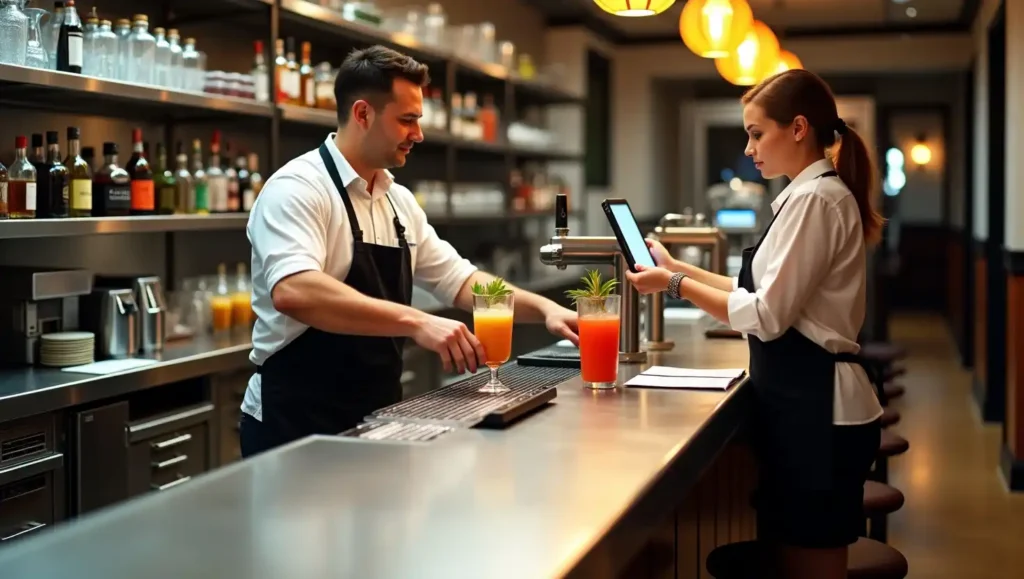
Bars and hotels frequently use “on the house” as a gesture of welcome. Guests may receive a free cocktail upon check-in or when celebrating a special occasion.
This approach adds a personalized touch to the hospitality experience. A complimentary drink may not cost the business much, but it delivers an outsized impact on customer satisfaction, turning a regular stay into a memorable one.
Retail Promotions Using the Phrase

Retail stores often run marketing campaigns where small gifts are offered “on the house.” Examples include free samples of cosmetics, trial sizes of skincare products, or branded merchandise.
Such campaigns allow customers to try new items risk-free. When the product impresses, customers often make repeat purchases, creating long-term revenue streams. The phrase itself, when used in advertising, conveys a friendly and approachable tone to the brand.
Technology and Digital Services Offering Bonuses

The concept of “on the house” has extended into the digital world. Many apps and online platforms offer free premium trials, bonus features, or credits described as being “on the house.” For example, streaming services may give an extra month of access, or gaming platforms may provide complimentary in-game currency.
This demonstrates how the traditional phrase adapts to modern business models. In digital ecosystems, “on the house” creates goodwill and encourages users to engage more deeply with the platform.
The Role of Technology in Expanding “On the House” Practices
Technology has amplified the reach and creativity of “on the house” gestures.
Digital Personalization
Modern customer relationship systems can identify loyal clients and automatically provide complimentary offers. For instance, a restaurant app may send a voucher for a free dessert on a customer’s birthday. These personalized touches make “on the house” experiences more targeted and meaningful.
Social Media Sharing
Complimentary services often get shared on social media platforms. A gift at a restaurant or a surprise upgrade at a hotel becomes part of user-generated content, indirectly marketing the business to thousands of potential customers.
Data-Driven Marketing
Technology also allows businesses to measure the impact of “on the house” campaigns. Data analytics track customer return rates, spending behavior, and engagement levels to ensure that these complementary gestures yield measurable benefits.
Practical Use Cases of On the House in Real Life
Problem-Solving in Service Recovery
When a customer faces delays, errors, or dissatisfaction, offering a service “on the house” provides immediate resolution. Instead of losing trust, businesses turn the situation into an opportunity to showcase responsiveness.
Enhancing Special Occasions
Birthdays, anniversaries, and celebrations are prime opportunities for “on the house” gestures. Customers cherish these personal touches, which transform routine experiences into memorable moments.
Encouraging Customer Trials
Free samples or services “on the house” reduce the barrier for customers to try something new. This is especially effective in retail, tech services, and food industries, where discovery often leads to long-term loyalty.
Benefits of On the House in Modern Business
The advantages of using “on the house” strategies are multi-dimensional.
-
Customer Satisfaction: Creates goodwill and positive brand associations.
-
Marketing Value: Customers often share complimentary experiences with peers, amplifying brand awareness.
-
Employee Empowerment: Allowing staff to make “on the house” decisions empowers them to resolve problems quickly.
-
Long-Term Loyalty: A small complimentary gesture can result in years of customer retention.
These benefits explain why the phrase has moved from hospitality to retail, digital platforms, and beyond.
Frequently Asked Questions
1. What does on the house mean in customer service?
It means a business provides a product or service for free as a gesture of goodwill, appreciation, or compensation.
2. Is it common in industries outside restaurants?
Yes, it is widely used in hospitality, retail, beauty, technology services, and even digital platforms like apps and streaming services.
3. Does offering something on the house really benefit businesses?
Absolutely. Complimentary gestures create loyalty, improve reputation, and often result in repeat purchases or referrals, outweighing the small initial cost.